Performance & Biological Restoration Insights
Understanding the Science of Biological Healing

Joint Health After 40: Tips & Regenerative Strategies
Joint Health, Regenerative Medicine, Non-Surgical Joint Pain Relief
Joint Health After 40: Prevention Tips and Regenerative Strategies
Staying active after 40 is possible—even if you’re dealing with knee twinges, a stiff shoulder, or a hip that protests after long walks. Understanding how joints change with age, and what modern regenerative options can offer, can help you protect your mobility and avoid or delay surgery. At Crown Regenerative Medicine in Campbell, CA, we focus on non-surgical joint pain relief that supports long-term function and quality of life.

Why Joints Change After 40
Cartilage Wear and Tear
Cartilage is the smooth, cushioning tissue that covers the ends of your bones. Over decades of walking, running, lifting, and twisting, that cushion can gradually thin. After 40, tiny cracks and rough spots are more common, especially in weight-bearing joints like the knees and hips. This can contribute to knee pain and osteoarthritis, hip discomfort, or a grinding sensation when you move. While this process is natural, lifestyle factors and previous injuries can speed it up—or slow it down.
Tendon and Ligament Changes
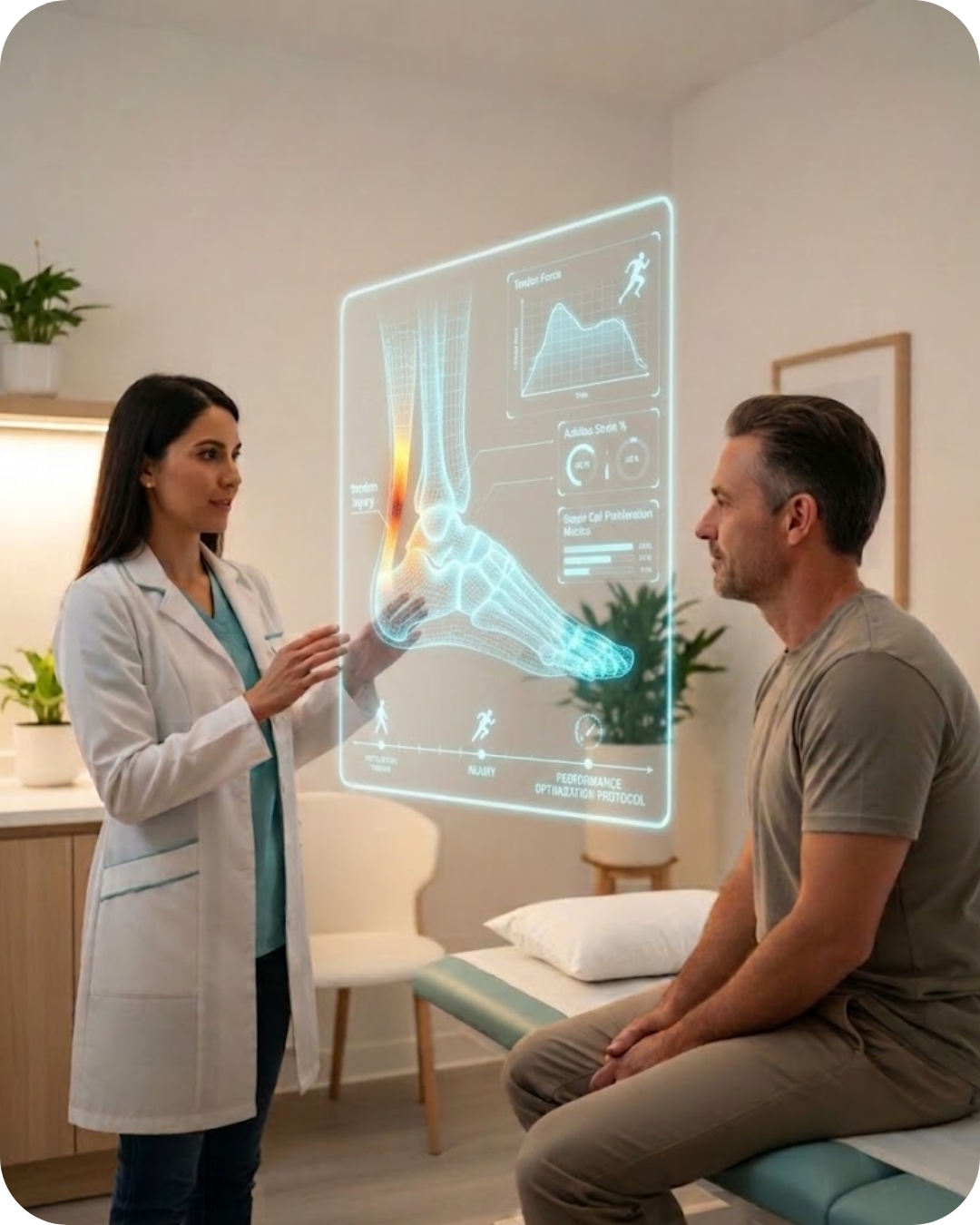
Tendons connect muscle to bone, and ligaments connect bone to bone. With age, these tissues tend to lose some elasticity and hydration. They become slightly stiffer and more prone to microscopic tears, especially around the shoulder and rotator cuff, elbows, and Achilles tendon. That’s why a weekend tennis match or pickleball game can suddenly trigger a lingering tendon issue that would have healed quickly in your 20s.
Slower Healing and Inflammation
Our natural repair systems also change with age. Blood flow to certain joint structures is limited, and the cells responsible for regeneration become less active over time. This can mean:
- Longer recovery after workouts or minor injuries
- More frequent flare-ups of joint stiffness and swelling
- A higher risk of chronic issues like hip and joint degeneration or back and spine longevity concerns
The good news: while you can’t stop time, you can absolutely influence how your joints age. Thoughtful prevention and, when appropriate, regenerative therapies can help support joint health after 40 and beyond.
Everyday Prevention Tips to Protect Your Joints
Prioritize Low-Impact, Joint-Friendly Exercise
Movement is essential for joint nutrition and lubrication. If running or high-impact workouts leave your knees or hips aching, consider:
- Walking on level ground or gentle trails
- Cycling or using a stationary bike
- Swimming or water aerobics, which reduce joint loading
These activities keep you active without over-stressing cartilage and tendons, making them powerful tools for joint pain prevention.
Build Strength Around Your Joints
Strong muscles act like shock absorbers. Thoughtfully designed strength training helps offload stress from knees, hips, shoulders, and the spine. Focus on:
- Glutes and quadriceps to support the knees and hips
- Core and back muscles for spinal stability and back and spine longevity
- Rotator cuff and upper back muscles for shoulder health
Support Your Joints With Weight and Nutrition
Even a modest reduction in body weight can significantly decrease pressure on the knees, hips, and spine. Pair this with an anti-inflammatory nutrition approach:
- Emphasize colorful vegetables, fruits, omega-3 rich fish, nuts, and olive oil
- Limit highly processed foods, excess sugar, and frequent alcohol
These habits won’t reverse arthritis, but they can help reduce systemic inflammation and support overall joint comfort.
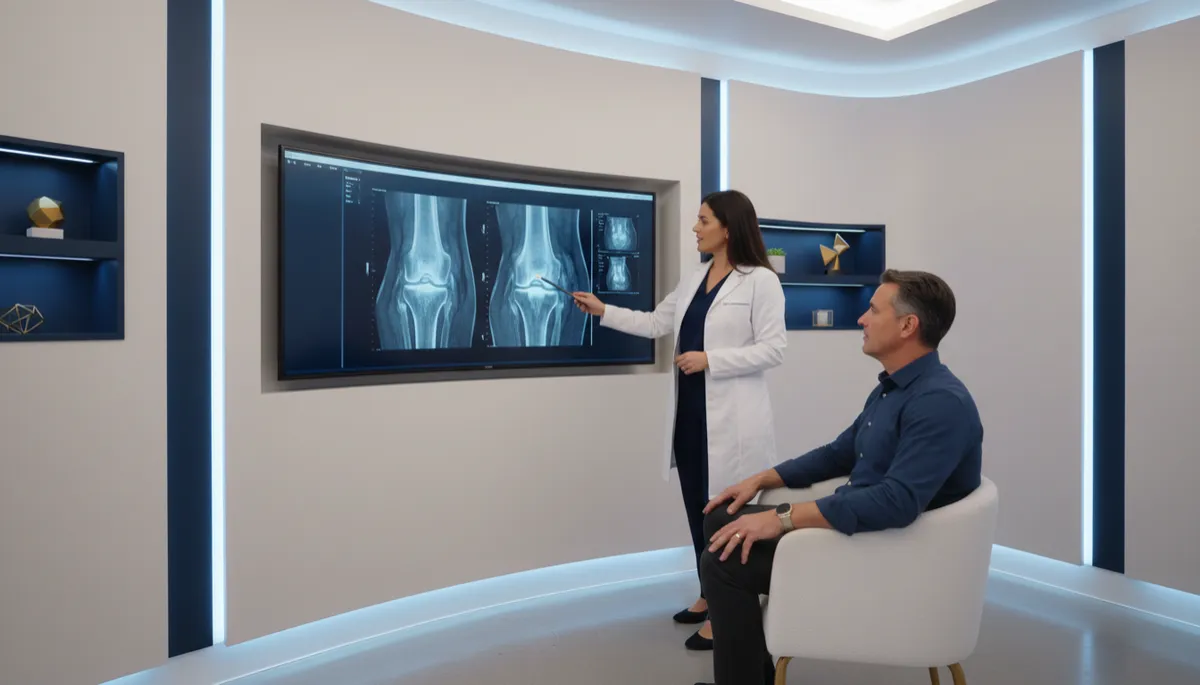
A detailed consultation helps match your joint symptoms to the safest, most appropriate options.
Mobility, Recovery, and Early Evaluation
Gentle stretching, mobility work, and regular movement breaks keep joints from stiffening. Equally important is recovery: build in rest days, vary your activities, and address minor strains before they become major problems. If you notice persistent swelling, catching, or pain that lasts more than a few weeks, an early evaluation can identify issues such as sports and tendon injuries, early arthritis, or labral and meniscus problems while treatment options are broader.
When Regenerative Strategies Make Sense
For many people, lifestyle changes, physical therapy, and medications provide adequate relief. But if you’re still limited by pain—especially with knee pain and osteoarthritis, shoulder and rotator cuff problems, hip and joint degeneration, or stubborn sports and tendon injuries—it may be appropriate to explore regenerative options.
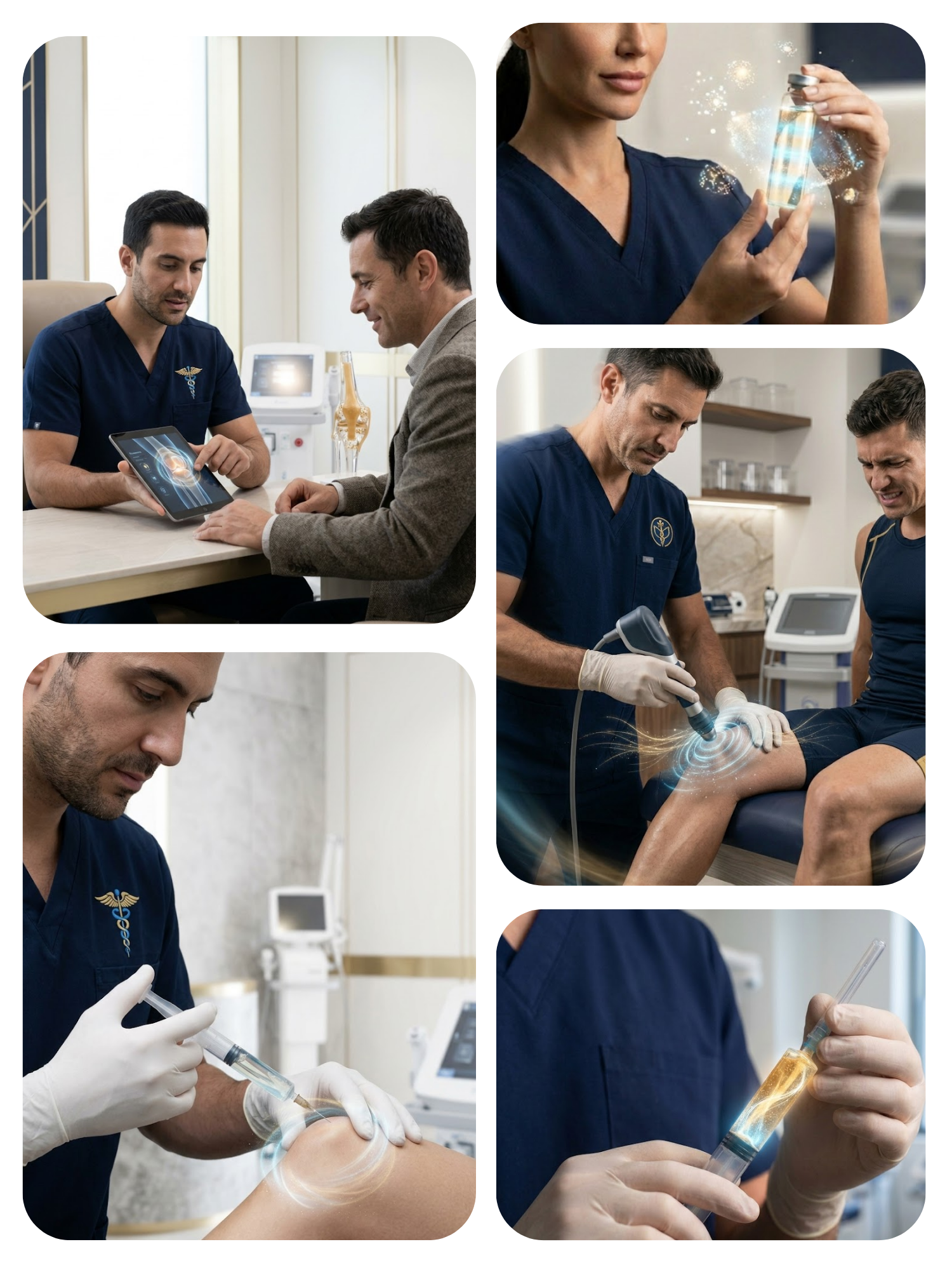
Regenerative medicine focuses on using your body’s own biologic materials to support healing and tissue health. At Crown Regenerative Medicine, a leading center for regenerative medicine Campbell CA, we offer:
- Precision PRP (Emcyte® System): Concentrated platelets from your own blood, prepared using the Emcyte® system to achieve a high-quality platelet-rich plasma. PRP therapy is often used for tendons, ligaments, and certain joint conditions, with the goal of supporting the body’s natural repair processes.
- Advanced Biologics: Carefully selected biologic products designed to help create a more supportive environment around injured or degenerative tissues, as part of a comprehensive, non-surgical joint pain relief plan.
- BMAC (Bone Marrow Concentrate): A procedure in which bone marrow is collected and concentrated, then precisely injected into targeted areas. BMAC may be considered for certain advanced or complex joint and tendon problems when other options have not provided sufficient relief.
- Viscosupplementation: Injection of a gel-like substance designed to improve lubrication in arthritic joints, often the knee, to support smoother motion and comfort in appropriate patients.
- Performance Recovery: Tailored recovery plans that may blend regenerative treatments with targeted exercises, mobility work, and activity guidance to help you return to the activities you love as safely as possible.
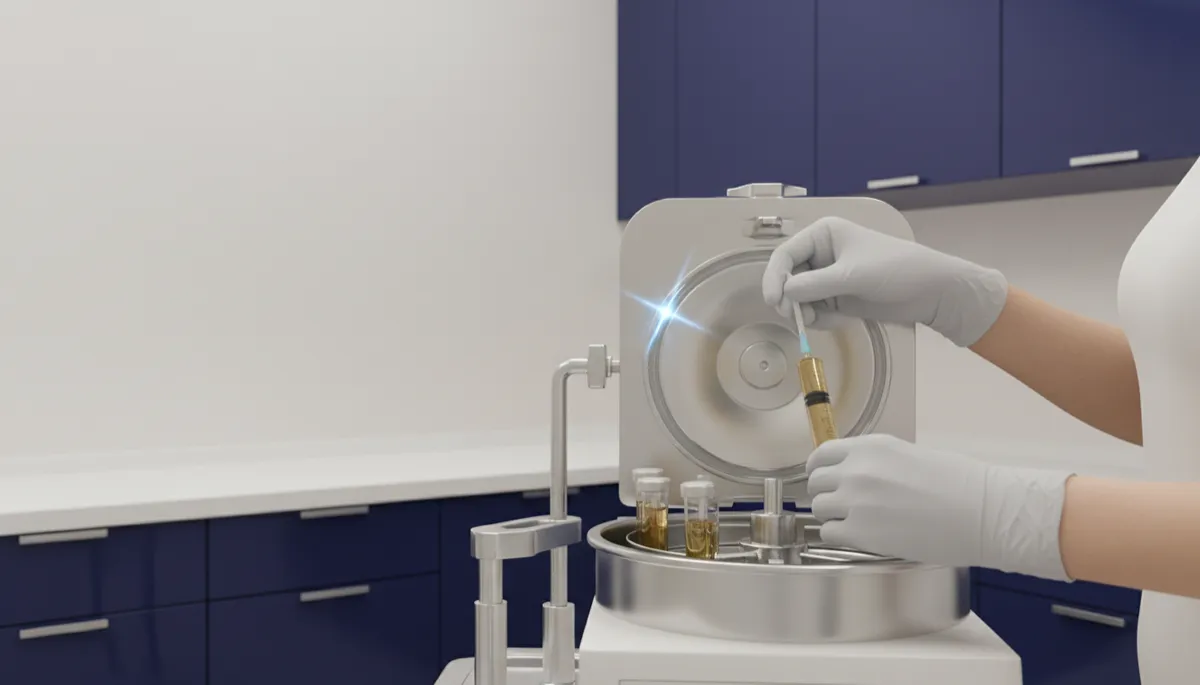
PRP and other biologic therapies aim to support the body’s natural repair processes.
Serving Active Adults Across the South Bay
Crown Regenerative Medicine is conveniently located in Campbell and serves patients from San Jose, Campbell, Los Gatos, Saratoga, Los Altos, and Cupertino. Whether you’re a recreational athlete, a busy professional, or simply want to stay active with your family, our goal is to help you explore thoughtful, non-surgical options for joint health after 40 and beyond.
Taking the Next Step: Is Regenerative Care Right for You?
If joint pain is starting to dictate your schedule—or keeping you from the activities that make you feel like yourself—it may be time to look beyond short-term symptom relief. A personalized evaluation can clarify what’s driving your pain, what stage of degeneration you may be in, and whether regenerative therapies, lifestyle changes, or a combination of approaches makes the most sense.
At Crown Regenerative Medicine, we take an educational, collaborative approach. We’ll review your history, imaging, and goals, then discuss conservative care, PRP therapy, BMAC, viscosupplementation, or other options when appropriate—without pressure or guarantees. The focus is on empowering you with clear information so you can make confident decisions about your long-term joint health.
If you’re ready to explore non-surgical joint pain relief and learn how regenerative medicine might fit into your plan, consider scheduling a consultation at Crown Regenerative Medicine in Campbell, CA. A conversation today can be an important step toward moving more comfortably tomorrow.

Preparation is Part of the Performance
Deepen Your Understanding of The Crown Method
While you wait for our call, explore these resources to prepare for your consultation:
For Acute Injuries Needing Immediate Attention
Can’t Wait to Get Started?
If you are experiencing an acute injury and require a priority evaluation today, please call or text our Campbell flagship directly:
Request A Consult
Treatments
Precision PRP (Emcyte® System)
Advanced Biologic
BMAC (Bone Marrow Concentrate)
Performance Recovery
Viscosupplementation
What We Treat
Knee Pain & Osteoarthritis
Shoulder & Rotator Cuff
Hip & Joint Degeneration
Sports & Tendon Injuries
Back & Spine Longevity
Locations
San Jose
Campbell
Los Gatos
Saratoga
Los Altos
Cupertino
Copyright 2026. Crown Regenerative Medicine. All Rights Reserved.