Performance & Biological Restoration Insights
Understanding the Science of Biological Healing
How PRP Therapy Works: Science Behind Platelet-Rich Plasma
Regenerative Medicine, PRP Therapy, Non-Surgical Orthopedics
How PRP Therapy Works: The Science Behind Platelet-Rich Plasma
Platelet-rich plasma—often abbreviated as PRP—is at the forefront of regenerative medicine, offering a biologically precise, non-surgical treatment option for joint pain, sports injuries, and chronic orthopedic conditions. At Crown Regenerative Medicine in Campbell CA, PRP therapy is delivered using advanced processing technology to maximize safety, consistency, and clinical impact.
Understanding Platelet-Rich Plasma at a Cellular Level
Whole blood contains several components—red blood cells, white blood cells, platelets, and plasma. Platelets are small, disc-shaped cell fragments best known for their role in clotting; however, they also function as concentrated reservoirs of bioactive growth factors and signaling proteins. When platelets are activated at an injury site, they release these factors, orchestrating tissue repair, angiogenesis, and modulation of inflammation.
Platelet-rich plasma is produced by isolating and concentrating platelets in a small volume of plasma—typically achieving platelet counts several times higher than baseline blood levels. This high-density platelet suspension is then delivered directly to damaged joints, tendons, and soft tissue, providing a targeted biologic stimulus rather than a generalized systemic effect. In the context of non-surgical orthopedics, PRP therapy aims to promote joint preservation, reduce pain, and improve function while delaying or avoiding more invasive procedures.
From Blood Draw to Precision Biologic: The Emcyte® System Process
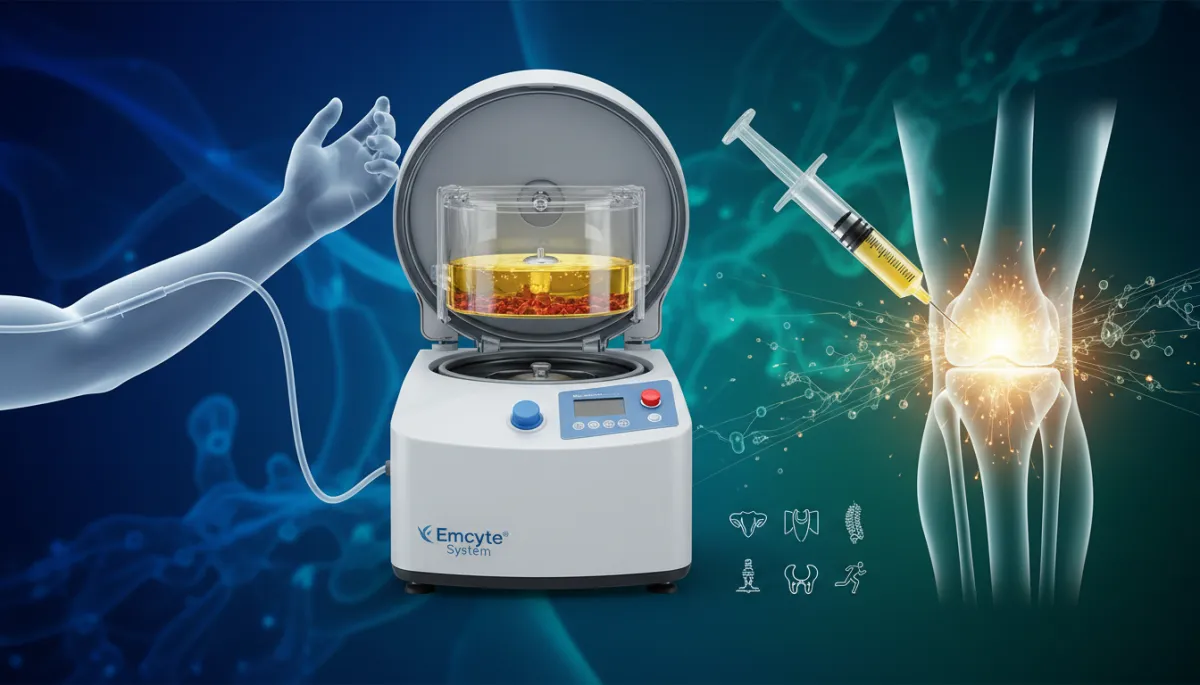
A key determinant of PRP effectiveness is how the sample is prepared. At Crown Regenerative Medicine in Campbell CA, clinicians utilize the Emcyte® System—a closed, sterile, single-use kit designed to produce high-quality platelet-rich plasma with predictable composition. The process begins with a standard venous blood draw, similar to routine laboratory testing. Depending on the treatment area, a measured volume of blood is collected into specialized Emcyte® tubes preloaded with anticoagulant to prevent premature clotting.
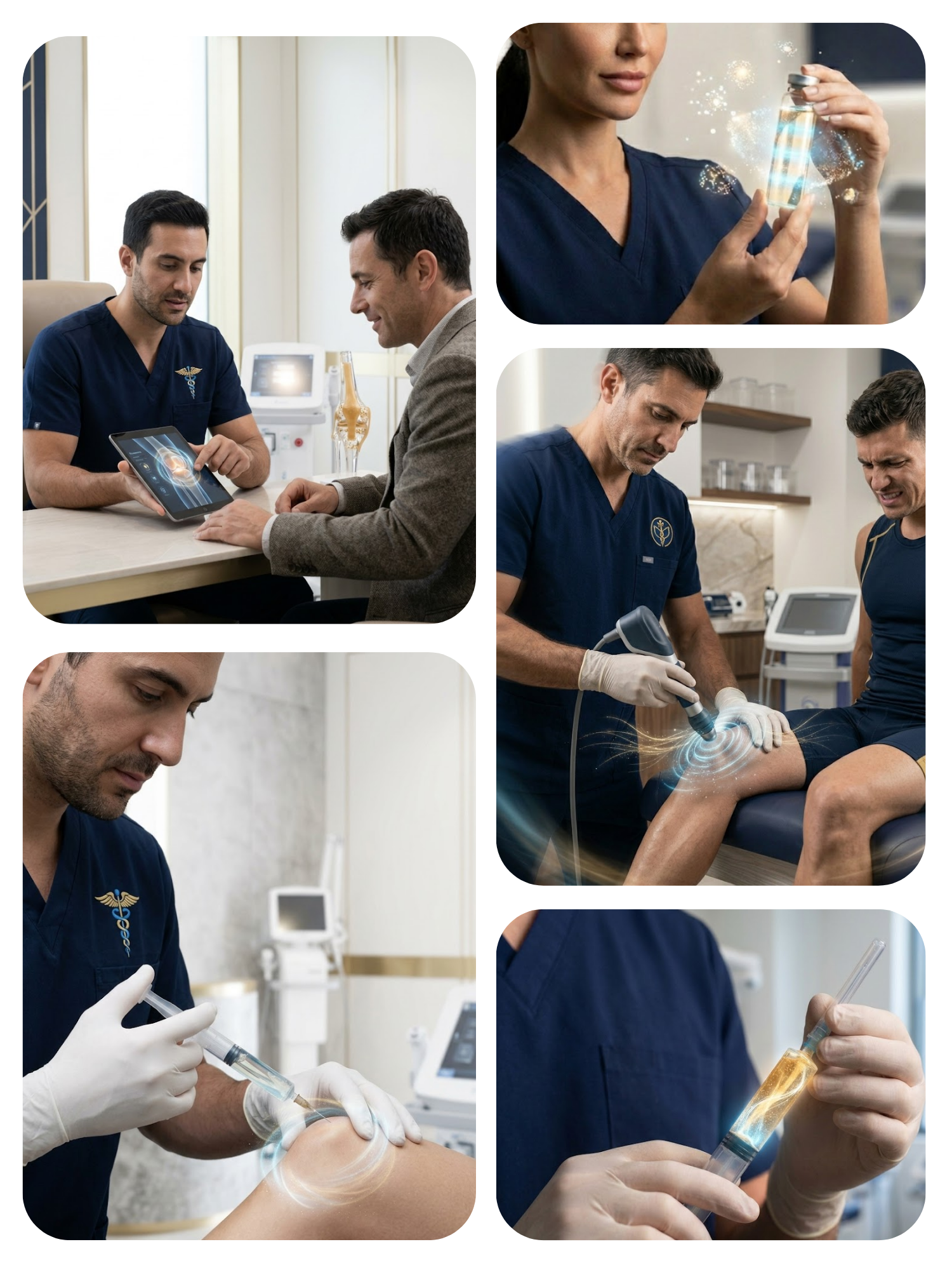
The tubes are then placed into a calibrated centrifuge. During centrifugation, the Emcyte® System separates blood components by density—red blood cells settle at the bottom, a buffy coat of platelets and white cells forms in the middle, and platelet-poor plasma rises to the top. Through controlled spin parameters and proprietary tube design, the system enables selective extraction of the platelet-rich layer while minimizing dilution and cellular damage. The clinician then withdraws the concentrated platelet fraction into a sterile syringe, often achieving several-fold enrichment of platelets and growth factors compared with whole blood.
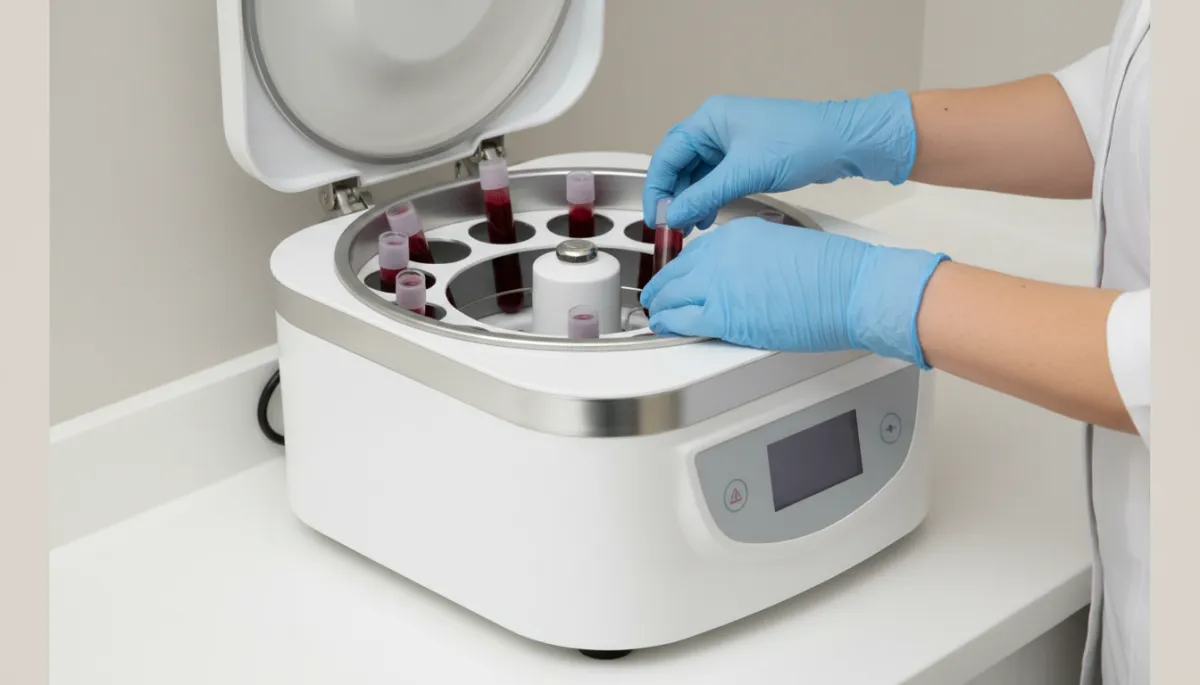
Controlled centrifugation with the Emcyte® System yields a consistent, high-concentration platelet-rich plasma product.
How PRP Is Injected to Stimulate Orthopedic Healing
Once the platelet-rich plasma is prepared, it is administered as a targeted injection into the affected joint, tendon, or soft tissue structure. Prior to injection, the skin is cleansed thoroughly, and local anesthetic may be used to enhance comfort. In many cases—particularly for knee osteoarthritis, hip pathology, and spine-adjacent structures—ultrasound guidance is employed to ensure precise needle placement and to avoid surrounding neurovascular structures.
When PRP enters the tissue, platelets become activated and begin releasing a cascade of growth factors, including platelet-derived growth factor (PDGF), transforming growth factor-beta (TGF-β), vascular endothelial growth factor (VEGF), and others. These molecules signal local cells—such as chondrocytes, tenocytes, and mesenchymal stem cells—to increase matrix production, enhance microcirculation, and modulate inflammation. The goal is not an immediate anesthetic effect, but rather a progressive biologic response over weeks to months, with improvements in pain, stiffness, and function as tissue quality evolves.
Conditions Commonly Treated with PRP Therapy
Knee Osteoarthritis and Joint Preservation
In knee osteoarthritis, cartilage degeneration, synovial inflammation, and subchondral bone changes contribute to pain and mechanical limitation. PRP injections into the knee joint aim to modulate the intra-articular environment—reducing inflammatory mediators, supporting cartilage matrix maintenance, and improving synovial fluid quality. For many patients, PRP represents a strategic joint preservation tool, potentially delaying the need for joint replacement while maintaining activity levels with a non-surgical treatment approach.
Rotator Cuff and Shoulder Tendon Pathology
Rotator cuff tendinopathy and partial-thickness tears are frequent sources of shoulder pain, particularly in overhead athletes and active adults. PRP can be injected around the affected tendon under ultrasound guidance, bathing the degenerative region in growth factors that support collagen remodeling and tendon healing. This targeted regenerative medicine strategy is often combined with structured physical therapy to restore strength and scapular mechanics.
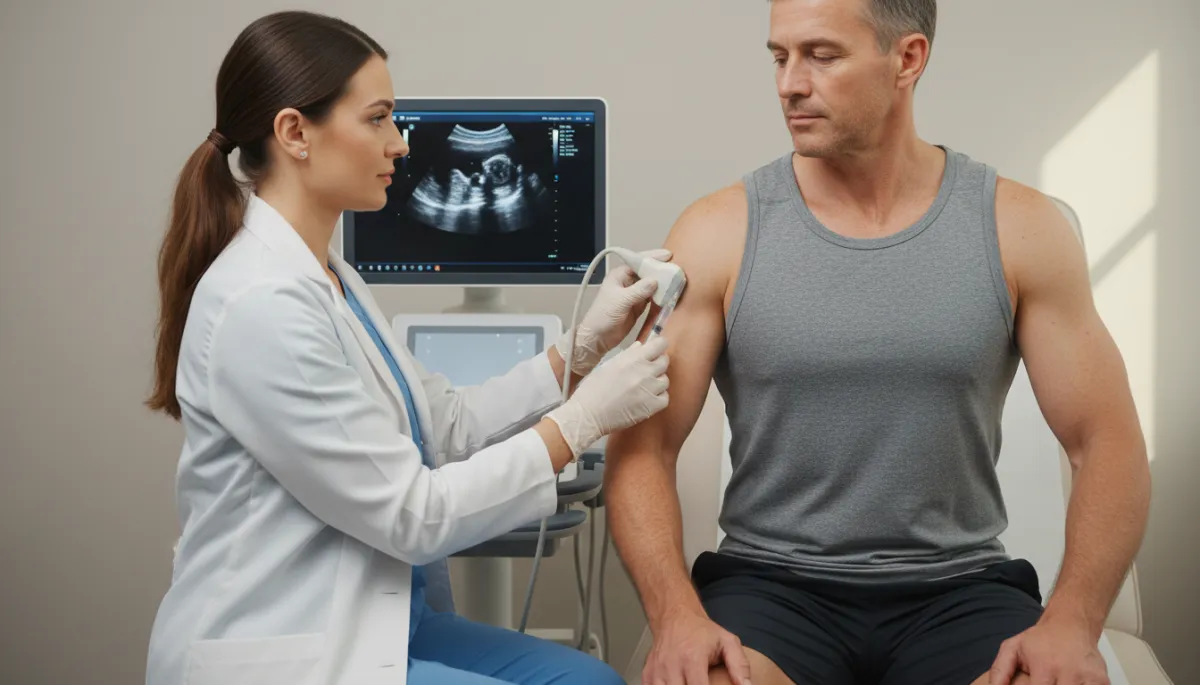
Ultrasound guidance enhances accuracy, ensuring platelet-rich plasma reaches the exact tendon or joint structure requiring repair.
Hip Pain, Sports Injuries, and Tendon Disorders
PRP therapy is also utilized for gluteal tendinopathy, greater trochanteric pain syndrome, and intra-articular hip pathology. In athletes, PRP may be indicated for hamstring strains, patellar tendinopathy, Achilles tendinopathy, and other overuse injuries where tissue quality has deteriorated. By enhancing the local healing milieu, PRP can support a more complete recovery and potentially reduce the risk of recurrent injury—an important consideration for individuals who wish to remain highly active without surgery.
Back and Spine-Related Pain Syndromes
For select patients with facet joint arthropathy, sacroiliac joint dysfunction, or certain soft tissue contributors to spine pain, PRP may be incorporated into a comprehensive non-surgical treatment plan. By targeting stabilizing ligaments, facet capsules, or adjacent musculature, platelet-rich plasma can assist with pain modulation and functional restoration, particularly when integrated with targeted rehabilitation and posture optimization.
What to Expect from PRP Therapy at Crown Regenerative Medicine
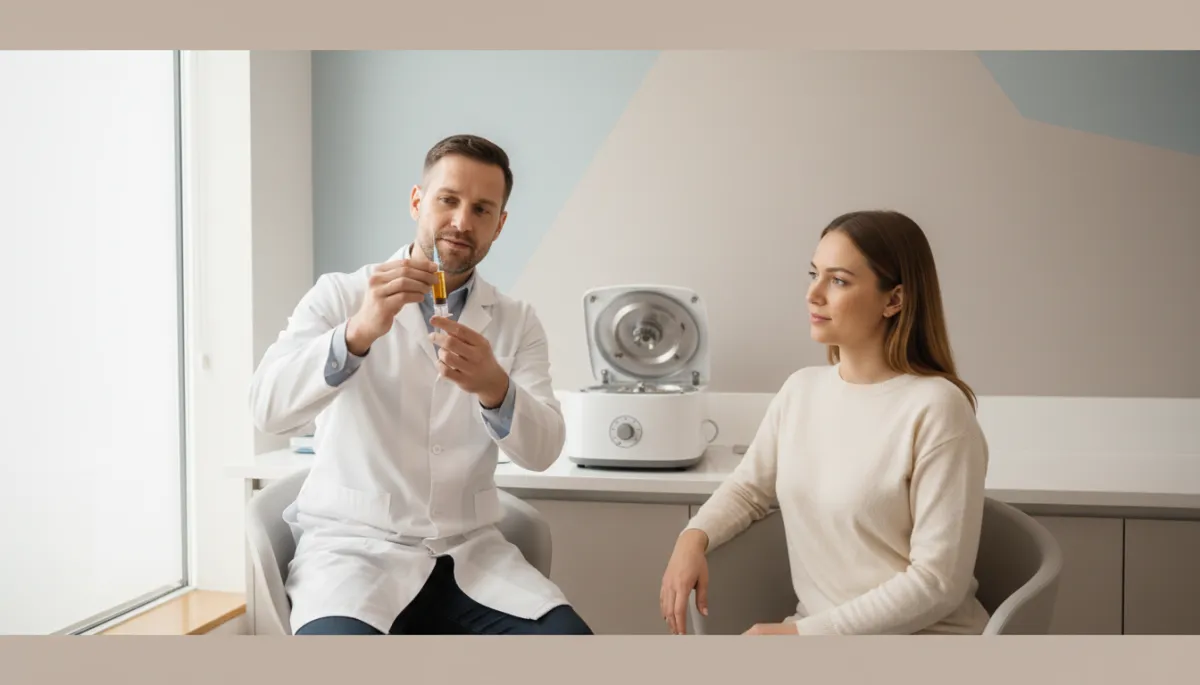
At Crown Regenerative Medicine in Campbell CA, each PRP treatment plan begins with a detailed evaluation—clinical history, physical examination, and, when indicated, imaging review. The decision to proceed with PRP therapy is individualized, taking into account symptom severity, structural findings, activity goals, and prior responses to conservative care. Because PRP is an autologous biologic derived from your own blood, it carries a favorable safety profile when prepared and administered under rigorous protocols.
Many patients undergo a series of injections spaced weeks apart, with progressive improvements in pain and function over several months. During this period, adherence to a structured rehabilitation program, activity modification, and joint-protective strategies is essential to maximize the regenerative potential of platelet-rich plasma. For adults seeking advanced, evidence-informed, non-surgical options for orthopedic pain, PRP therapy—delivered with the precision of the Emcyte® System—represents a sophisticated pathway toward joint preservation and sustained mobility.

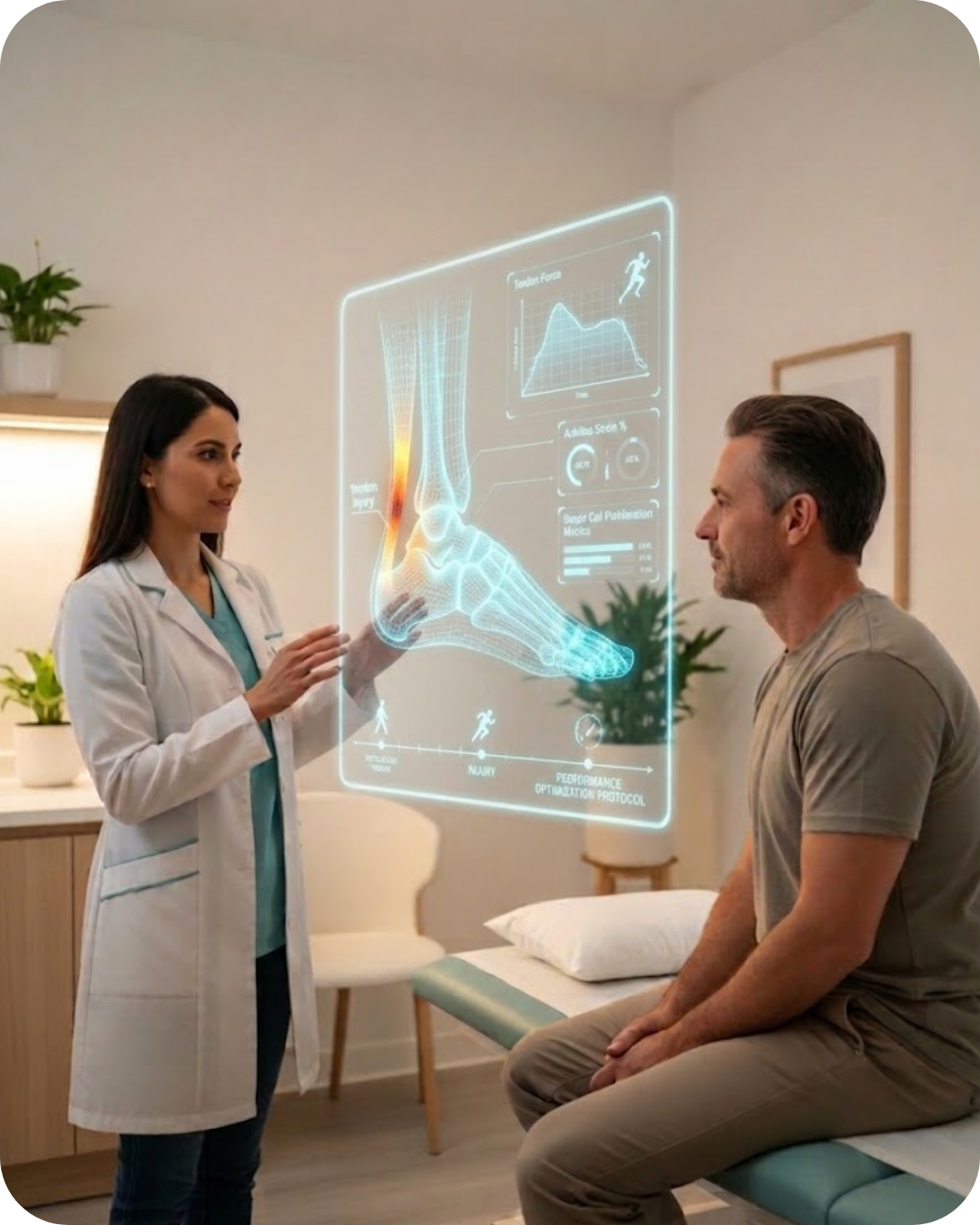
A comprehensive evaluation ensures PRP is integrated thoughtfully into your overall orthopedic care strategy.
Conclusion: An Innovative, Non-Surgical Path to Orthopedic Recovery
For individuals living with knee osteoarthritis, rotator cuff injuries, hip pain, sports and tendon injuries, or back and spine-related conditions, platelet-rich plasma offers more than symptomatic relief—it provides a biologically informed strategy to support actual tissue healing. By concentrating your own platelets through the Emcyte® System and delivering them with image-guided precision, Crown Regenerative Medicine aligns cutting-edge regenerative medicine with a serious commitment to safety, transparency, and outcomes. If you are exploring advanced, non-surgical treatment options in Campbell CA, PRP therapy may be a decisive step toward restoring function, preserving your joints, and returning to the activities that define your quality of life.

Preparation is Part of the Performance
Deepen Your Understanding of The Crown Method
While you wait for our call, explore these resources to prepare for your consultation:
For Acute Injuries Needing Immediate Attention
Can’t Wait to Get Started?
If you are experiencing an acute injury and require a priority evaluation today, please call or text our Campbell flagship directly:
Request A Consult

Treatments
Precision PRP (Emcyte® System)
Advanced Biologic
BMAC (Bone Marrow Concentrate)
Performance Recovery
Viscosupplementation
What We Treat
Knee Pain & Osteoarthritis
Shoulder & Rotator Cuff
Hip & Joint Degeneration
Sports & Tendon Injuries
Back & Spine Longevity
Locations
San Jose
Campbell
Los Gatos
Saratoga
Los Altos
Cupertino
Copyright 2026. Crown Regenerative Medicine. All Rights Reserved.